Wax museums have captivated audiences for centuries. They are a unique combination of art, entertainment and culture. These museums aren’t merely museums with sculptures, but are also experiences that take visitors back to the past and into the world of culture. Behind these magnificent works is the meticulous work of wax figure manufacturers as well as wax museum project planners, who combine creativity as well as craftsmanship to bring iconic characters and their stories to life.
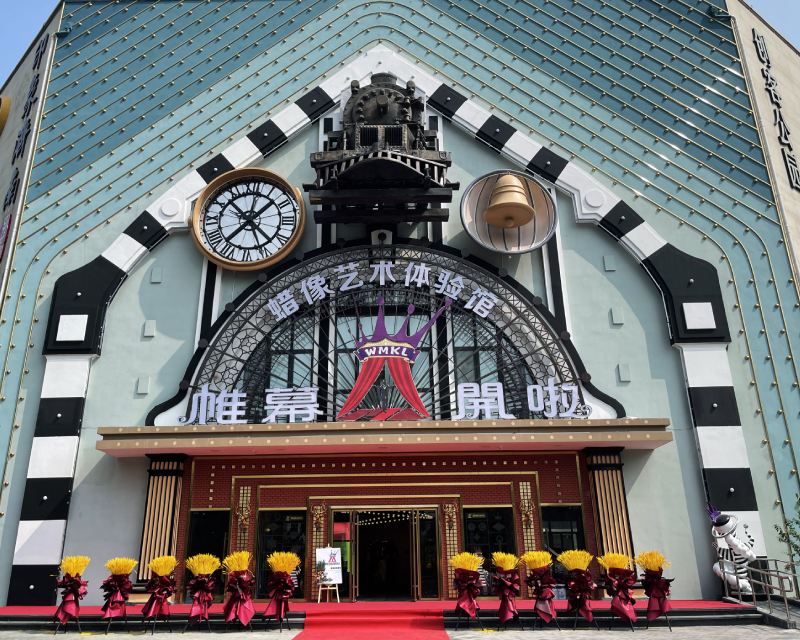
Image credit: dxdfart.com
What makes Wax Museums unique?
A wax museum project is not just about displaying lifelike figures of famous personalities; it’s about creating an environment where history, culture, and art converge. Every project begins with a vision which guides its design, from concept design to the final implementation. The goal of these projects is to give visitors an interactive and informative experience that will make a lasting impression.
The distinctiveness of a wax museum lies in its capacity to:
Tell Stories: Through elaborate displays, wax museums recount the history of events, highlight the cultural icons of the past, and display current celebrities.
Engage Visitors with Interactive exhibits, themed sections along with lifelike wax figures will transport your guests in a dazzling world.
Foster Creativity : Each element is designed with care, from the figure placement to the lighting and decor to create an environment that is cohesive.
The Role of a Wax Figure Manufacturer
The wax figure maker is at the core of each wax museum project. They are the artists and engineers who turn ideas into reality. Their work is more than simply sculpting. It is about creating characters that capture the essence and personality of individuals, from the face expressions to the shape of the skin.
How to Make Wax Figures:
Research and Planning: The process begins with gathering detailed information about the subject. This includes photos, videos, and historical data.
Artistic Sculpting: Highly skilled artists employ digital models or clay to create realistic details and precision.
Wax Casting: The model is used to create a mold, that is filled with top-quality wax. To ensure that the proportions of the image are correct, precision is essential.
The details of the figure are enhanced by incorporating details such as clothing, hair and eyes. This is usually a collaborative effort with costume designers and stylists.
Final Assembly: When all the pieces have been assembled, the piece will be assembled and checked for quality.
Modern manufacturers are making use of advanced technologies like 3D scanning in order to increase the precision, reduce production time as well as preserve the artistic integrity of their creations.
Wax Museum Projects – A One Stop Solution
Companies specializing in wax museum projects provide an all-in-one solution that covers every phase of development. From concept to construction, these companies ensure smooth execution, allowing investors to focus on the larger overall.
Services in the Wax Museum Project
Concept Design Experts work closely with investors to develop themes that are compatible with their mission.
Program and Scheme Development: In order to enhance the visitor experience it is necessary to develop detailed plans with figures, figure the layout, exhibit design and flow of visitors.
Construction and Decoration Teams: The physical construction is handled by professionals who make sure that the area is functional as well as visually appealing.
Operational Guidance After the museum’s closure, businesses often provide training and strategies that can help the staff manage operations effectively.
These companies provide end-to-end services to help investors tap into the growing economy of leisure. They develop profitable tourist attractions that attract people from across the globe.
Wax Museums Impact on the Economy and Cultural Impact
Wax Museums are much more than tourist destinations. They support local economies and the preservation of culture. These museums educate visitors about the past and instill admiration for culture by displaying iconic characters.
Economic Benefits:
Increased tourism generates revenue for local businesses.
Create jobs in manufacturing, hotel and museum operations.
Cultural Benefits:
Preservation of cultural and historical narratives.
Communities can honor their local heroes as well as traditions.
Why invest into a wax museum?
For investors, wax museum projects are a great way to blend creativity and commerce. Wax museums are a profitable venture for the leisure industry because of the increased need for immersive, interactive attractions. When you partner with an experienced wax figure maker and using one-stop solutions, investors can build unique attractions that stand out in a crowded entertainment scene.
Conclusion
Wax museum projects are testimony to the lasting appeal of art and history. These projects are a blend of creativity and innovation, from skilled efforts of the wax figurine makers to the masterful planning of museum layouts. As the field develops wax museums continue to attract audiences by preserving the past and taking on the future. Museums made of wax provide a unique experience through time and culture regardless of whether you’re a tourist or an investor.