In the rapidly changing world of e-commerce and online retail, the ability to display products in a realistic interactive fashion has become an important factor. In the furniture industry, the appearance as well as the fit and feel of the furniture is crucial in making the purchasing decision. The 3D product configurator is a cutting-edge tool that has changed the way furniture buyers shop online as well as in retail stores.
The rise of 3D product Configurators
A 3D product configurator is a tool that allows users to see and interact with a product from three angles. In contrast to static images, a 3D product configurator allows customers to rotate around, zoom in and customize products in real-time. This technology is becoming increasingly well-known, especially in the furniture industry. It provides an engaging and dynamic shopping experience.
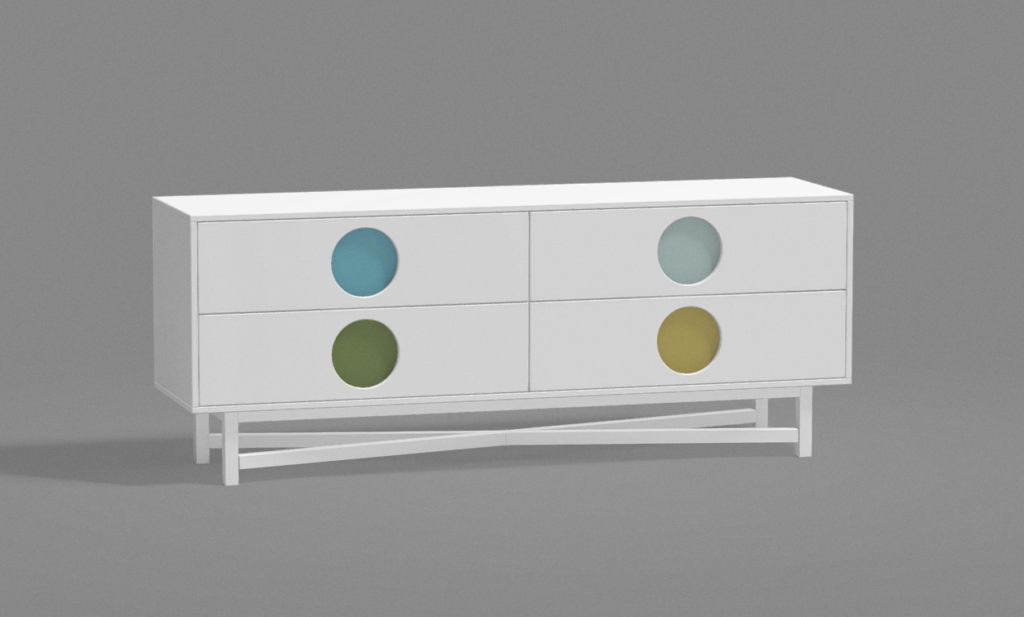
Improve Customer Experience by Providing Online Furniture Configurators
Furniture configurators allow users to enjoy a more personalized experience. Customers can change the colors, finishes, and furnishings and also view it from different angles. It is also possible to visualize the way their new furniture will work in their living space. The interactive shopping experience is fun to shop and assists customers in making better purchasing choices.
For example, Virtenzo’s 3D furniture configurator allows users to change their shopping experience by providing amazing 3D quality and custom options. This kind of interaction can to bridge the gap between online to physical shopping and helps customers feel more comfortable about their options.
3D Interactive Furniture Configurators Enhancing Sales on E-commerce
The effect of 3D product configurators on e-commerce sales is huge. Interactive 3D visualisations have the potential to increase conversion rates, and decrease the rate of return. If consumers have a clear understanding of what they’re buying and what they will receive, they are more likely to proceed with the purchase and less likely to cancel the purchase.
A 3D furniture configurator also allows retailers to showcase a vast range of product variations without the need to produce and photograph each one. This allows retailers to showcase many different product variations without having to produce and take photographs of each.
Immersive 3D configurators The Future of Furniture Shopping
As technology continues to develop, the future of furniture shopping will undoubtedly be shaped by 3D-immersive configurators. They are likely to advance further with features like virtual reality as well as augmented reality to enhance shopping experiences.
Customers can make use of AR or VR on their phones to explore a product’s appearance in the real world. Such innovations will make the shopping experience even more interactive and personalized.
Implementing 3D Product Configurators: A Guide for Furniture Makers
For furniture retailers and manufacturers, implementing an 3D product configurator could be intimidating. The benefits of using it outweigh the challenges. This is a step-by method guide on how to begin:
Choose the best platform. Choose a platform that matches your goals and your business requirements. Look for features such as customizable options, ease of integration and capacity.
Create 3D models that are top-quality furniture. This may require the hiring of professionals to ensure accuracy and precision.
Integrate Your Website With Yours: Work with your web development team to integrate the configurator seamlessly into your online store. It should be responsive to mobile users to access it from any device.
Enhance the experience using AR/VR: Think about adding VR or AR capabilities to give you a more immersive experience.
Marketing Your New Tool Promote your 3D configurator via your channels for marketing. The benefits you can offer your clients and offer tutorials on how to use it.
The final sentence of the article is:
3D configurators for products are revolutionizing the furniture market, giving customers an experience unlike any other and driving sales. These tools, which enable customers to personalize products and interact with them in real time in order to make buying more enjoyable and informative, bridge the gap between shopping on the internet and in stores. As technology improves, the integration of AR and VR will transform the landscape, making immersive shopping experiences the norm. For furniture makers and retailers taking advantage of this technology is not merely an option, but it is a must to be competitive in the digital age.