Repeating tasks is a major frustration when dealing with artificial intelligent. A good AI assistant may deliver a fantastic response one moment and then forget important context for the next conversation. The developers often make up for this by offering the same data in the form of project files or documents to keep the conversation going.
As AI integrates into everyday software, the efficiency of this technique will decrease. Intelligent systems should be able to store relevant information, retrieve it instantly and be able to recognize changes in information over time. Memory is one of the most critical components of AI architecture in the present.
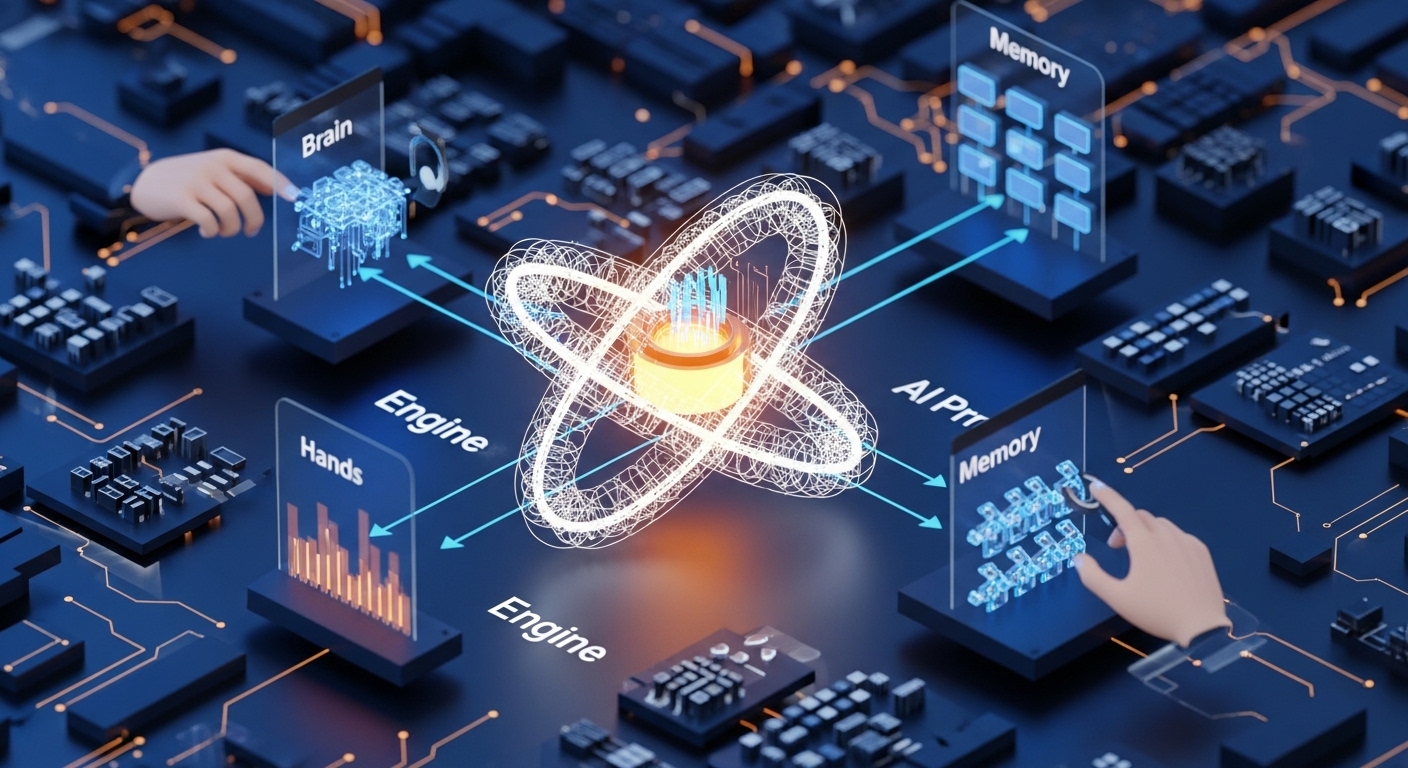
Memory transforms AI from reactive to intelligent
A system capable of storing the previous work will behave differently than one that has to begin from scratch every time. Persistent memory makes it possible for applications to comprehend ongoing projects, detect recurring patterns, and provide solutions based on the historical context instead of isolated requests.
Telys was developed to solve this problem. Telys is a built-in AI memory engine, not another cloud service. Information is saved and retrieved directly from the application. This design lets developers be able to maintain their context with ease, while also reducing the need for redundant computations and processing. This results in an AI experience which appears more natural since the program is able to remember important data.
Local data storage improves speed and also privacy
Performance is not measured solely by the speed at which an AI model generates text. In organizations deploying AI, speed of retrieval, system response and data security are now equally important.
Using on-device memory for AI agents allows applications to retrieve relevant information without depending on constant communication with external servers. Since memory is stored in the AI environment local to agents, queries can be accomplished more quickly and allow organizations to keep better control over sensitive information. This architecture is especially valuable to engineers working on internal tools, enterprise-level applications and privacy sensitive apps, where the ownership of data must not be restricted.
Memory benefits developers because it functions behind the scenes
The development of intelligent software shouldn’t involve creating a complex infrastructure to store context. Software developers prefer to use tools that seamlessly integrate into existing workflows, and don’t create extra operational burdens.
Local MCP memory servers allow this, permitting compatible AI environments to access permanent memories within the local ecosystem. AI assistants do not have to transfer information repeatedly across different APIs. They can obtain exactly the information they require directly from a memory device that is already linked to an application. This streamlines the development process and lowers the time it takes for teams who are working on projects that have changing codebases or documentation.
The future of AI is based on a long-lasting context
Artificial intelligence is moving beyond simple conversations and towards long-running systems capable of planning, thinking and completing complicated tasks on its own. These systems require more than a powerful language model they require reliable memory that preserves knowledge across every interaction.
Telys is an advanced AI memory engine that provides persistent local retrieval designed to support intelligent applications that require speed in reliability, security, and speed. Together with on-device memory for AI agents, and a powerful local MCP memory server Telys aids developers in developing software that remembers previous tasks, instantly retrieves the knowledge and keeps improving over time.
As AI becomes more deeply integrated into the business processes and products The ability to recall precisely will soon be as important as the capacity to think. Telys’ AI application development tool aids developers to build AI applications with more speed along with intelligence and efficiency in the workplace. It does this by providing intelligent systems a continuous context instead of a brief conversation.