When it comes to homeownership certain elements tend to remain hidden from to view until they need attention. Septic systems are just one of those essential, but often neglected elements of a house. It’s easy to think that it can do its job well without any maintenance. Septic tanks, just like other systems, have a finite life span and need to be replaced in the near future.
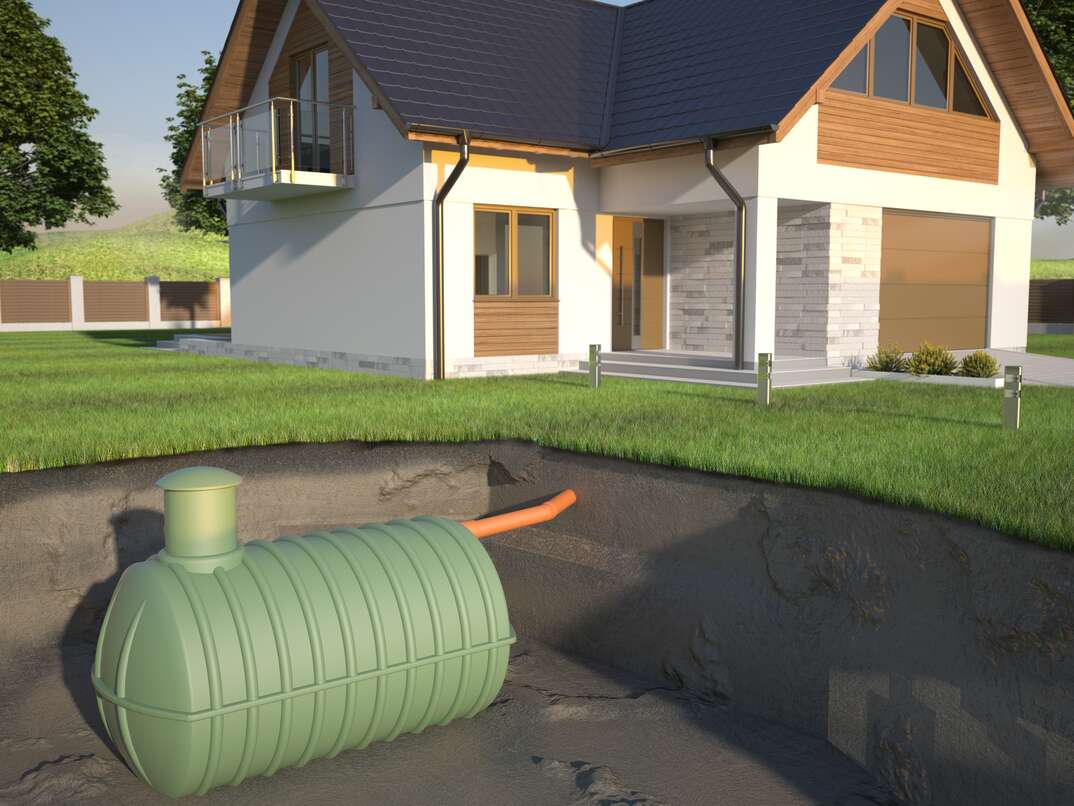
Homeowners who aren’t prepared may have a difficult time securing the expense of replacing their septic system. Numerous factors influence the overall cost, making it essential to understand the elements that affect budgeting for a new septic system.
Understanding the true septic system cost to replace a tank involves considering various aspects that go beyond the obvious cost label. It’s more than just an issue of taking out the tank that was in use and installing another one. The cost will be affected by numerous services and parts. From obtaining permits and hiring experts to the actual installation and excavation, each phase has costs that homeowners should be aware of to plan their budgets effectively.
The cost of septic tanks, leach fields, and the installation are a few of the things to think about. The cost of replacing a tank will vary depending on its size, material and installation complexity. The price can be influenced by the location of your home along with local regulations and the conditions of your soil. It is recommended to consult with experts in septic systems who will assess your requirements and provide an accurate estimate. They’ll take into consideration things like the dimensions and layout of the leach field. This will ensure that you are aware of the overall expense involved in your septic system replacement project.
The drain field or leach is an additional expense. This component is crucial in the treatment and dispersal of wastewater. Removing a damaged or inoperative leach field needs careful planning and could significantly affect the total cost for septic replacement. Leachfield size, the soil composition and the accessibility are all elements that affect the cost.
homeowners should consider the cost for replacing the tank for septic. This process may disrupt your routine, requiring that you temporarily leave your house, or limit your water consumption while the installation is being done. It is important to consider this inconvenience in the planning phase as it may interfere with your everyday life and result in additional expenses.
It is equally important to understand the need for proper maintenance and care of septic systems are vital to prolong their lives and decrease the chance of replacement that is premature. Neglecting to perform routine maintenance will result in more severe issues later on, which could include damage to drainfields and tank failure. It is advisable to include the cost of septic systems in your budget. This will allow you to save money.
By now, you may have realized that determining the septic tank replacement cost is not a straightforward task. It requires an in-depth analysis of many variables including the size and nature of tank to the difficulty of the installation or the condition and condition of the leachfield. In addition, the place of your home and local rules can affect the overall cost. For an accurate cost estimate, you should consult with an expert who has expertise in the field of septic replacement.
If you’re thinking of replacing your septic tank, you might be shocked to find out that there are hidden costs which you’ve not thought of. The costs can quickly add to a large amount, so be aware before making any decisions.
The following are the hidden costs of replacing the septic system
Cost of inspections and permits. You’ll need permits from your local government before you begin the process of septic system replacement. These permits are expensive and you might have to pay for inspections.
The costs of excavation and removal. The old septic needs to be removed and dug up prior to the installation of a new system. This is a cost-effective procedure, particularly if the older system is situated in a remote area.
The cost of backfilling and grading. After the old system has been removed, the void has to be refilled and graded. It is essential that the new drainage system is able to drain properly.
The expense of landscaping. You may have to landscape the area following the installation of the new system to keep it neat and tidy. Costs can quickly go by the time you employ a landscaping firm that is professional.
When you plan to replace your septic tank, it’s crucial to consider the hidden costs. Avoid unpleasant surprises in the future by planning ahead.
Making the switch to eco-friendly septic systems is a good option for those who are on a tight budget. These eco-friendly septic solutions are not just economical alternatives to traditional systems, but also help protect the environment through reducing water runoff and pollution. Additionally, eco-friendly septic options are becoming increasingly available and affordable, making them an ideal option for those seeking to lower their impact on the environment without spending a fortune. While there may be some initial costs for the switch to an environmentally-friendly system, the extra costs can be more than compensated for in long-term savings. This isn’t a trend, but a lifestyle change everyone should embrace if they are serious about protecting our planet for the future. You can have peace of knowing that you’re doing your part in helping the global community. It also will ensure that your property is operating efficiently, with less effort and less monthly expenses.